


Creators & Entrepreneurs
How to Monetize TikTok with a Community
How to Turn 10,000 TikTok Followers into a $10K/Month Membership.
Author
Mighty Team
Last Updated
May 11, 2026


Table of Contents
In 2025, it’s estimated that Charli D’Amelio earned $23.5 million on TikTok, showcasing campaigns with Garnier and starting her own shoe line. As the highest earner, D’Amelio is one of the millions of people earning money from a TikTok following.

These are the numbers we all hear about. They’re big, impressive, and every teenager and adult dreams about them.
But here’s the truth. You don’t need a million followers to earn an income. You need a handful of people to gather around a shared vision and you can change your financial picture drastically.
A TikTok following by itself isn’t going to change your life. But turning it into your acquisition channel for a real business that you own? That’s the play. And it’s what people like Gary Vaynerchuk, Alex Hormozi, and Cody Sanchez do every day.
Here’s how to do it!
Try G2's #1 community platform -- home to more $1 million communities than any other.
How many followers do you need to make money on TikTok?
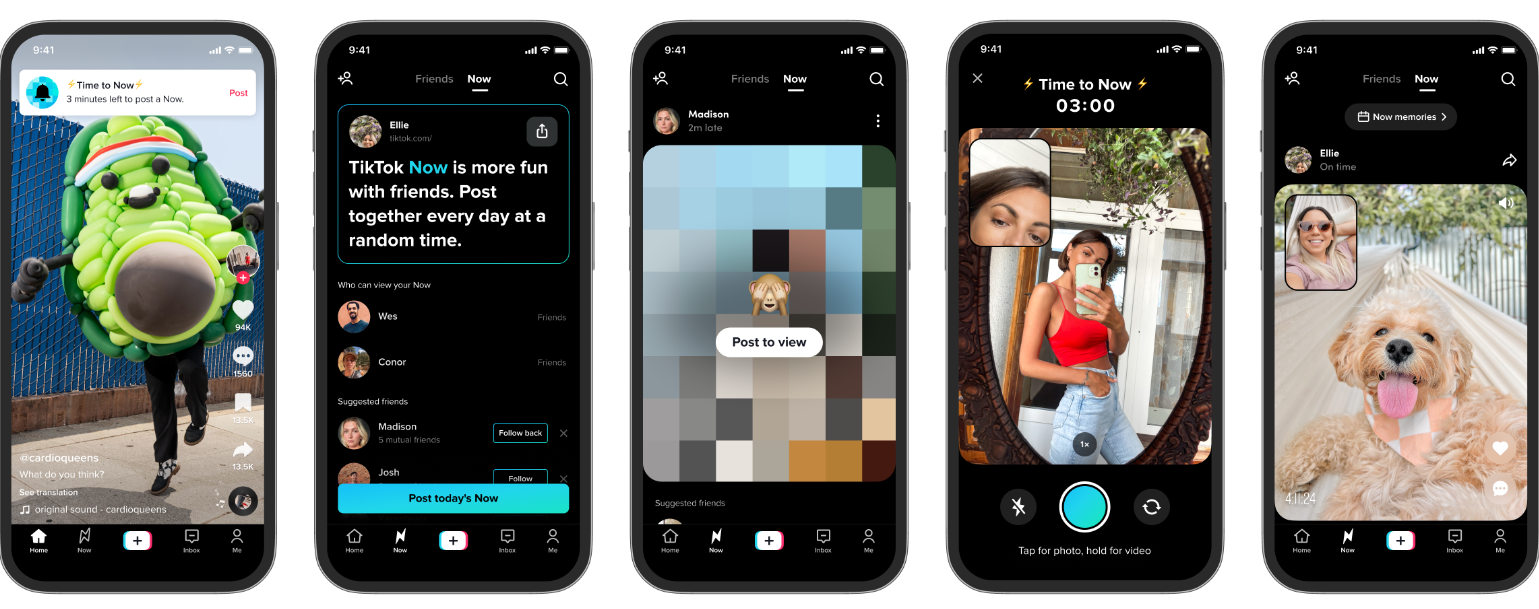
For TikTok’s LIVE subscription and gifts programs, you’ll need 1,000 followers to start making money.
For TikTok’s Creator Rewards Program, you need 10,000 followers + 100,000 video views in the last 30 days.
TikTok shop has posting limits on accounts with fewer than 5,000 followers (max 3 products and 3 LIVEs per week). Affiliates need 1,000 followers and need to be U.S. based.
Otherwise, there’s no limit! We’re going to show you why communities are the best way to monetize any sized TikTok following, but first, let’s do a quick overview of all the ways to make money on TikTok: both built-in and 2nd party monetization.
Common ways to make money on TikTok
1. Shop: TikTok Shop lets you sell products you’ve created (3 in 4 users will consider buying things they see on TikTok, and 83% saying TikTok influences their purchasing decisions).
2. LIVE Gifts: Real-time viewers can give you Diamonds during LIVEs. The average Diamond is worth $0.005, or half a cent. 1,000 diamonds is worth about $5.
3. LIVE Subscriptions: TikTok also offers a LIVE subscription program to charge subscribers and offer them livestreams, dedicated chats, subscriber badges, and premium emojis and content.
4. Brand Collabs (Average earning potential: $25-$125 per post): 69% of people trust a recommendation from a friend, family member, or… an influencer. Influencers are in high-demand for the trust and authenticity they’ve built with their audience.
5. Products (1,000 Products x $35 = $35,000): Creating a product on TikTok can go beyond using TikTok’s store. You could build an entire brand off of a large social media following (celebrities like Kylie Jenner and Paris Hilton do this).
6. Affiliates (1,000 Sales x $19.80 = $19,800/mo): Unlike sponsored posts and brand collabs, affiliates use a tracking link and pay you a set price or amount for each sale. This makes affiliate programs a bit more “self-serve.” You don’t need to wait for a brand’s permission to get started (although you do have to join, and sometimes apply). Many affiliate programs are also run on a central network, meaning you can join an affiliate marketplace like impact.io and get access to thousands of brands at once.
7. Services: For service providers, TikTok offers a medium to grow your own service business. For example, if you talk about digital marketing, you could get digital marketing clients directly from TikTok. If you talk about branding, you could get branding clients.
8. Flipping Channels: A final way to earn money from TikTok is to build and flip channels, selling them to buyers. Sites like Flippa and Fameswap specialize in selling established TikTok channels, and you can browse prices there.
Why communities are perfect for monetizing TikTok
Example earnings: 200 members x $48/mo = $9,600/mo
Great earnings: 1,000 members x $48/mo = $48,000/mo
For creators with a TikTok following, a community with paid memberships is the perfect way to monetize.
There’s no better way to monetize TikTok. Here’s why you should start a community!
With only 100-200 members, a community can replace the average day job. With 1,000, you’ve got a serious business.
You can earn serious, monthly recurring revenue.
Communities grow on autopilot as members talk to each other. It’s the same principle behind social media, but it works for you.
It’s really scalable… Get your churn low and all new members mean revenue growth!
It’s simple. There’s no printing products or shipping, and no arguing with sponsors.
The only fixed cost is your community platform.
TikTok’s built-in subscription and membership options are pretty weak. Even if you qualify, you have to do a rev share with TikTok. But you don’t need to build your subscription or membership on TikTok.
The business case for building an off-TikTok community is also bulletproof.
More flexible offers: This means better perks like full member platform, conversations, gamification, live events, and easy to build premium content.
More ways to earn: Build multiple membership tiers and groups. Offer different experiences for different pain points.
More ownership. You own your list, and your relationship with members. And their emails! Nothing can take that away.
A central hub where you can streamline members from other platforms. If you’re active on YouTube, Instagram, Twitch, etc., your members can all come to one place that you own–instead of a social media platform.
Most community platforms also offer more than just memberships. You can add things like courses, coaching, live events, and more. We’ll cover some of these below.
What makes a great membership?
Step 1: Your Big Idea
Every membership starts with a topic: a health interest, an obsession (ie. film photography), recurring conversations with friends, or a “man, I wish I'd known this sooner” insight. That’s it! A shared interest for or love of something is at the root of every great community.
Chances are, you already have this. If you have a TikTok following, you’re known for something. So this might be the easy part.
Step 2: Ideal Member = Human + Transition.
Stop thinking in niches. That’s old school. Great communities are built on transitions: moments when people are actively changing identity or stage of life (aspiring death doulas, newly sober moms, Millennials starting a landscaping business, aspiring cake decorators).
Your ideal members will be people in transition; they are highly motivated, engaged, and will naturally recruit others. The weirder and more specific, often the better it works. Hey, we know this seems unintuitive. But we’ve seen it happen often!
Step 3: Best Year Ever
Instead of selling features, help a future member understand where they’ll be in 12 months. Not with data points (at first anyway), but with a story! Who will they be next year because they joined.
Imagine, you love decorating cupcakes. You’ve done a few birthday parties and you want to make this your business. Imagine by this time next year you’re earning a full-time income on cupcakes alone! What would it mean for your life? For your family? Can you quit the corporate job? Can you work 4 days a week?
That’s a vision. That’s a best year ever. And a community helps it happen.
Step 4: Figure out your pricing
On Mighty, the average community price is $48/mo. That could be the perfect starting point. Ultimately, the price is not about what you give to members or how much content you create for them! It’s about the transformation they want. Pricing high enough helps people pay attention. It helps members stay motivated and dedicated. And dedicated people get results.
Step 5: State your Big Purpose
Once you have these things in place, you can create your Big Purpose–basically a mission statement for your community. Here’s what a Big Purpose sentence looks like: “I bring together [ideal member] so we can [best year ever].” It's both your pitch and your filter; people either self-select in or think about referring a friend.
Step 6: Think about product
The product behind a $48 membership is surprisingly simple. And this is intentional! The more you do, the less members engage with each other.
Monthly themes create novelty and give lapsed members a reason to return. They shouldn't build on each other, so new members can join anytime.
A weekly calendar builds habits. Pick 1–2 recurring activities: office hours, weekly challenges, member spotlights, “give and ask” posts, book/podcast clubs, and run them at the same time, same day, for at least 4 weeks. Name them (e.g., “Friday Reset”) so members can describe them to outsiders.
Daily polls and questions drive engagement through “unlocking phrases” like: What's one…, Name an unusual…, What's the most… Keep them under 30 seconds to answer.
Step 7: Choose your software
A great community platform will make it easy to run all of this! You need one piece of software (not 10). We have a full guide to community platforms here.
But if you want to give us a try, we’re G2’s #1-ranked community management software. And it’s free for 14 days!
Step 8: Add your people
Not 1,000. Not 100. Try 10 founding members.
Keep it simple. You can interview the 10 members yourself, it will help you understand who they are and what they’re looking for.
If you have a large following, this can be a bit tricky. Obviously inviting a following to talk to you might mean a rush of people (who aren’t all going to fit your community).
Instead, create a clear landing page, but add an application to join the community. You can easily do this in Mighty with a few application questions. Then, you can filter people who look like a fit and talk to them.

Other offers to pair with community
One of the great things about monetizing TikTok with a membership or community is that you can mix in a bunch of different things. How about a mastermind group for a premium offering that will max transformation? How about a conference or workshops?
Here are a few common things people connect to communities. And a good community platform should let you easily add these to community offers.
By the way, some communities offer these as upsells. Some just incorporate them into a membership price. It’s up to you!
a. Virtual Events
Upsell Potential: 100 members x $44/admission = $4,400
You can easily spin a community built on your TikTok following into a premium event. This could be a paid livestream–it’s easy to charge for a livestream on a dedicated platform. But you can also create different kinds of events: conferences, panels, workshops, etc.
Eventbrite reports that the average price of a virtual event is about $44. With those kinds of ticket prices, even getting 20 people into a virtual workshop could be a great boost to income!
Here are some virtual events you can try.
A workshop or mastermind: If you have something to teach or share with your audience, a workshop or mastermind can be a really natural flow for monetizing an event. A workshop might be a 1-time or recurring event that walks people through learning something. A mastermind group, by contrast, builds relationships between members as they work through something together over time. You’re the facilitator in this model, not the teacher.
A virtual conference: Virtual conferences take a lot of work, but they are really cool. And if you can offer a ton of value with guest speakers, panels, etc., you can raise the price well beyond $44. In fact, most people will pay hundreds of dollars for a good virtual conference.
You can run an event as a stand-alone thing, or else mix it with memberships, courses, etc.
b. Live Conferences
Upsell potential: 50 members x $1,000/ticket = $50,000
A live conference can be a seriously big undertaking, costing anywhere from $15,000 to $500,000 to host. But with that comes an enormous upside–the Global Conference Alliance estimates that the average business conference costs between $500 and $2,000 per ticket.
If you’ve got a big enough member base to justify a live conference or high-ticket event, the numbers might be pretty tempting. And you could also collab with other creators in your niche to make this happen.
It doesn’t have to be a “serious” live event either. You could also consider fun excursions or meet-ups in cool places.


c. Courses
Average earning potential: 100 students x $270/course = $27,000
Online courses are projected to be a $69 billion market by 2028 with almost 1 billion people taking them. Online learning is here to stay. So offering a premium course along with a community can make a lot of sense.
And for some TikTokers, there’s a really natural progression between building trust and teaching.
You’ll need a membership platform with courses built in. Here are some of the things to think about.
Will you teach live or pre-record your course? A live course gives you the advantage of pre-selling. This means you can sell tickets before you deliver. If there’s not enough interest, it’s easy to pivot to something else. However, a pre-recorded course does let you focus more on getting the material right. There are pros and cons to each, you need to figure out which is best for your style. Or, teach live and sell the recording after!
What kind of transformation do you offer? People don’t take courses for info. They take courses for transformation. Figure out what your Ideal Student needs to get a transformation they care about, and give it to them.
How much will you charge? The $270 mark is a good baseline for an online course, but this can depend on the course itself. And if you bundle courses with events, experiences, or coaching, you can charge more too.
d. Coaching
10 students x $710 = $7,100/mo
TikTok can be a great place to establish yourself as a coach. It builds your reputation and familiarity. And we often see coaches build a presence on social media, then monetize their coaching with direct services! So why not add coaching to your community offer! You can build a base of members who trust you, then add a coaching component as a premium.
There are two standard approaches to structuring a coaching business:
1:1 coaching lets you work directly with clients. Because it’s a premium, high-ticket offer, 1:1 coaching lets you charge a lot–we built the estimate above off of an average 6-month coaching package. However, it’s not scalable. There are only so many hours in a day to coach 1:1.
Group coaching lets you coach groups of clients. Each individual client gets less focused attention, but they can learn from each other. This makes the business more scalable. You may decide to charge less for group coaching, making it a more accessible price point.


Conclusion
Hopefully this guide has you excited about monetizing TikTok with a community membership. Honestly, there’s nothing like it!
If you’re ready to start a community from your TikTok following, come build on Mighty! Mighty is the platform with the most $1 million communities, and it’s trusted by brands and figures like Tony Robbins, Mel Robbins, Gary Vaynerchuk, Marie Forleo, and Matthew Hussey.
Ready to start building your community?
Start a free 14-day trial to explore Mighty—no credit card required.
More like this


Join Mighty Community
Learn the principles of Community Design™ (and see them in action) alongside thousands of creators and entrepreneurs. It's free to join!


Online Courses
Creating a Course
Teaching a Course
Course Platforms
Selling a Course
Communities & Memberships
Community Platforms
Managing a Community
Building a Community
Growing a Community
Monetizing a Community
Creators & Entrepreneurs
Monetization
Content Creation
Starting a Business
Website Builders
Creating & Managing a Website
Events
Event Platforms
Hosting & Marketing Events
Branded Apps
Creating a Mobile App
Coaching Apps
Community Apps
Coaching
Mastermind Groups
Starting a Coaching Business
Coaching Platforms
Filter by Category
Online Courses
Communities & Memberships
Creators & Entrepreneurs
Events
Branded Apps
Coaching
Start your free trial
14 Days. No Credit Card Required.