


Online Courses
These Are the 9 Best Online Course Platforms for 2026
Lots of platforms can host a course. Few can build a thriving course business. Here’s how to tell them apart.
Author
Mighty Team
Last Updated
March 6, 2026


Table of Contents
In this article
You've got the expertise. Maybe an audience. Definitely the drive to turn what you know into something people will pay for: an online course.
With online learning projected to hit $65 billion in the next few years, creating an online course is a great way to grow your business.
But when you’re launching an online course business, the platform you choose matters more than most people think.
The wrong one leaves you duct-taping tools together—your course on one platform, your community in a Facebook group, your payments running through something else. The right one lets you teach, build relationships, and get paid without the chaos.
We've helped thousands of creators launch courses on Mighty Networks. Some are side hustles. Some are multi-million dollar businesses.
Here’s what the success stories have in common. They picked a platform that fit how they actually wanted to teach.
In this article, we'll cover what to look for in an online course platform: the features and tools you'll need! And, we’ll share the 10 best course platforms to choose from.
Try the platform with the most $1 million communities -- and courses built in! Free for 14 days.


10 Best online course platforms (Quick Guide)
This is a quick guide to some of the best online course platforms on the market. We go into more depth for each of the options below.
Best Features | Use For | Cost | |
|---|---|---|---|
Live & Async Courses, Community, Events, AI, Gamification | Courses + Community, Memberships, Events, Branded Apps | From $79/mo | |
Massive Reach, Easy Course Upload, Reviews | Marketplace Discovery, Beginner Course Creators | Free (Udemy Takes 63-75%) | |
Marketing Funnels, Email Sequences, Landing Pages | Async Courses + Complex Marketing | From $143/mo | |
Millions of Students, Creative Focus, Project Feedback | Creative Topics (Design, Illustration, Crafts) | Free (20% Revenue Pool) | |
Affiliate Program, AI Quiz Generator, Certificates | Async Courses + Affiliate Marketing | $29/mo + 7.5% Fees | |
Advanced Quizzes, Certificates, Drip Content | Certification-Based Courses | From $36/mo | |
Curated Instructors, Cohort Courses, Set Your Own Price | Live Cohort Courses (Career & Workplace Skills) | Revenue Share | |
WordPress LMS, AI Quizzes, Drag-and-Drop Builder | Async Courses on WordPress | $199/yr or $29/mo Hosted | |
Website Builder, Email Marketing, Digital Products | Simple All-in-One for Async Courses | $33/mo + 5% Fees |
What do you look for? Here’s how to choose
1. What’s your course business model?
Online course platforms can usually be divided into two styles of online course (and we'll include both below):
A marketplace platform: These platforms host your course with thousands of others, giving you basic authoring tools and LMS functionality. They usually take a cut of your earnings as a fee.
Online course software: A solution that lets you host, build, and sell your online course in one place. They usually charge a flat fee.
2. How do you want to teach?
There's one other thing to consider: delivery.
Some online course platforms let you host a prerecorded (asynchronous course).
Some let you teach a live, cohort course (synchronous).
And some do both and then some! We'll get to this.
Plus, you might choose to mix courses with communities, memberships, coaching, live events, etc. Your platform should do everything you need it to.
How to choose between live or prerecorded courses
If you're stuck on whether you'd be better teaching live or prerecorded courses, this can help. The technical term for a live course is synchronous, while a prerecorded course is an asynchronous one.
Here's how to choose between an asynchronous or synchronous course.
If Yes... | If No... | |
|---|---|---|
Are your students self-directed and autonomous? | Try Asynchronous | Try Synchronous |
Does your material ever change? | Try Synchronous | Try Asynchronous |
Do students require live feedback and support? | Try Synchronous | Try Asynchronous |
Do your students have limitations in joining through a live session, either because of learning style or lifestyle? | Try Asynchronous | Try Synchronous |
Will the students need to workshop ideas, have discussions, or work together? | Try Asynchronous | Try Synchronous |
3. How much business power does it give you?
You’re hoping to earn money from courses. That means you’re looking for a platform that can build a course business.
One-time fee? Community and course together on a monthly fee (for recurring revenue)? Pay what you can? Bundle with a mastermind? Charge in different currencies?
Can you add your own brand or even build on a white label course platform? Custom domains? Design flexibility?
Does it have course marketing tools like landing pages? Email options? Promo codes? Automations?
Can you access it on any device, whether mobile, tablet, or web? And is the UX the same across platforms?
But you also need to understand how platforms charge (we said this above). Every platform costs something, whether it’s a flat fee or a revenue share (the platform takes a cut).


As you're planning your online course, you can also try our free course name generator! It will help you find the right one.
The best online course platforms
1. Mighty Networks
Best for course & memberships
Mighty Networks is a flexible course platform that lets you teach live courses, async courses, or both. But you can also build a community around your course to keep people coming. It’s home to more $1 million course communities than any other platforms.
And it’s this community focus that makes Mighty work better for courses. On Mighty, students don’t just need to watch videos alone. They can connect with each other, discuss material, and build friendships and accountability that makes learning stick.


Here’s what Mighty gives you:
Flexible course delivery: Pre-recorded, live (w/ native livestreaming), or mix both. Drip content, unlocked modules, or let students self-pace. Add quizzes and assessments.
Built-in community: Seamlessly connect activity feeds, discussions, DMs, and member profiles–all in the same Space.
Events & livestreaming: Host live workshops, Q&As, or coaching calls without needing another platform.
AI course creation tools: Generate course outlines, improve content draft marketing materials, test content, and more.
AI built for engagement: Introduce members to each other, start conversations, and automate discussion starters.
Gamification & automations: Customize new member flows, course gamification, leaderboards, and auto unlock bonuses.
Smart monetization: Sell once or recurring, bundle, add promo codes or free trials, and sell in 135 different currencies.
Native mobile apps: Your course is available on native, responsive iOS and Android apps with the same UX as the web app.
Add your own brand: Customize urls, branding, colors, icons, and forms.
We host thousands of educators and creators, brands and individuals alike, many of whom are earning 6 figures from building course communities that people love. Come try G2’s top-rated community platform!
Mighty Networks - Summary
Type: Hosted
Strengths: An all-in-one platform that gives you flexible Spaces to build online courses, communities, host live streams, virtual events, and more all under your brand.
Weaknesses: It’s not a course marketplace–you’ll need to bring your own members.
Best for: Creators and entrepreneurs who understand the power of a community in delivering premium-priced online courses, better results, and deeper relationships across their students. If your course would benefit from collaboration, conversation, and cheering each other on, Mighty Networks creates a place for people to master your topic together under your brand.


Go branded app with Mighty Pro!
Imagine telling your students, “Download our app!” That’s what Mighty Pro does.
Mighty Pro mixes Mighty's powerful course features with G2's top community platform and deploys it under your brand in the App Store and Google Play Store. Skip the $200k custom app building, and get your course on a native white-label app instead!
Here’s what you get with Mighty Pro:
YOUR Apps in the App Store and Google Play Store. Your icons.
Branded notifications, splash screens, and app screens.
Proactive updates and app store submissions.
VIP support from the Mighty Pro team before, during, and after launch & access to the Mighty Pro community.
We’ll build an app prototype, a preliminary launch plan, and a custom business case for your brand.


Here are a few examples from our creators:
One community launched a 13-week add-on course and generated an additional $100k in revenue in 2 months.
A podcaster and author sold 5,000 seats to a $997 course in 10 days.
One personal finance community generated $130K in five days with their latest course
We've built apps for brands and businesses like TED, Cambridge University, Jim Kwik, and more.
Let us show you what we could build together!
Mighty Pro - Summary
Type: Hosted & Branded App
Strengths: Mighty's course and community platform deployed on premium e-learning apps on iOS and Android. Includes features like branded app screens, notifications, proactive updates, and ongoing support. And we’ll handle your migration (if applicable)
Weaknesses: Not for beginners—built for established brands ready to invest in a premium experience. If you're just starting out, start with Mighty Networks.
Best for: Established brands and creators wanting course and community apps.
2. Udemy
Best marketplace platform for discovery
Udemy is a course marketplace that lets creators build online courses and list them. It has a mixture of free and paid courses on the marketplace. If you want to sell a paid course, you can fill out a description of your course and what it will offer and submit it for review. If it’s accepted, you’ll be able to sell it on Udemy.
You’ll then build your course and launch it.
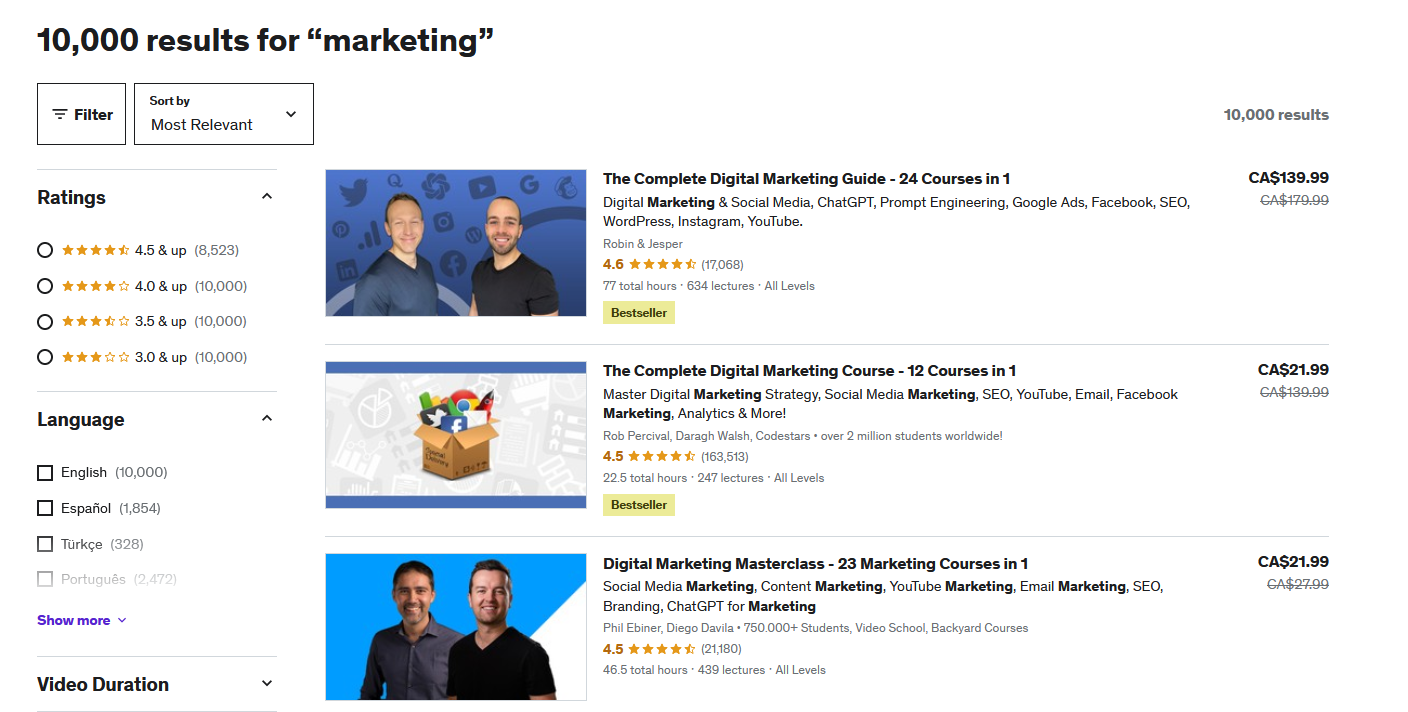
Udemy lets you charge anywhere from $0-$199.99, and has a range of options for adding details to your course, quizzes, Q&As, etc. It also has a bunch of review features that users can use to signal if they liked your course or not.
There are some disadvantages to Udemy. You only keep 37% of the money from each course sale when someone discovers it on the Udemy platform. Think of it as sort of a “finder’s fee” for Udemy referring clients to you. You also can’t build a community around your brand, and you don’t even get contact information for the people who take your course.
Another disadvantage is that you don’t get to add much of your own branding, the course needs to fit in the Udemy marketplace.
However, Udemy does have a solid mobile app which is great for access. Creating a course with Udemy is straightforward, and Udemy has one of the best revenue share models of the online course marketplaces.
Udemy - Summary
Type: Marketplace
Strengths: You can use Udemy for free and simply create an online course with the knowledge you want to share.
Weaknesses: Revenue share model is 37% for courses listed on their platform. In addition, you don’t get contact information for those who buy through Udemy. Community interaction (if any) happens in Udemy’s network, not yours.
Best for: Trying out course creation, learning the process. Making and selling a course without having to build a multi-channel platform.
3. Kajabi
Best complex marketing systems
Kajabi is an online course platform that gives you the ability to create and host. Instructors can add files and photos to their courses, and videos, as well as building out course websites.
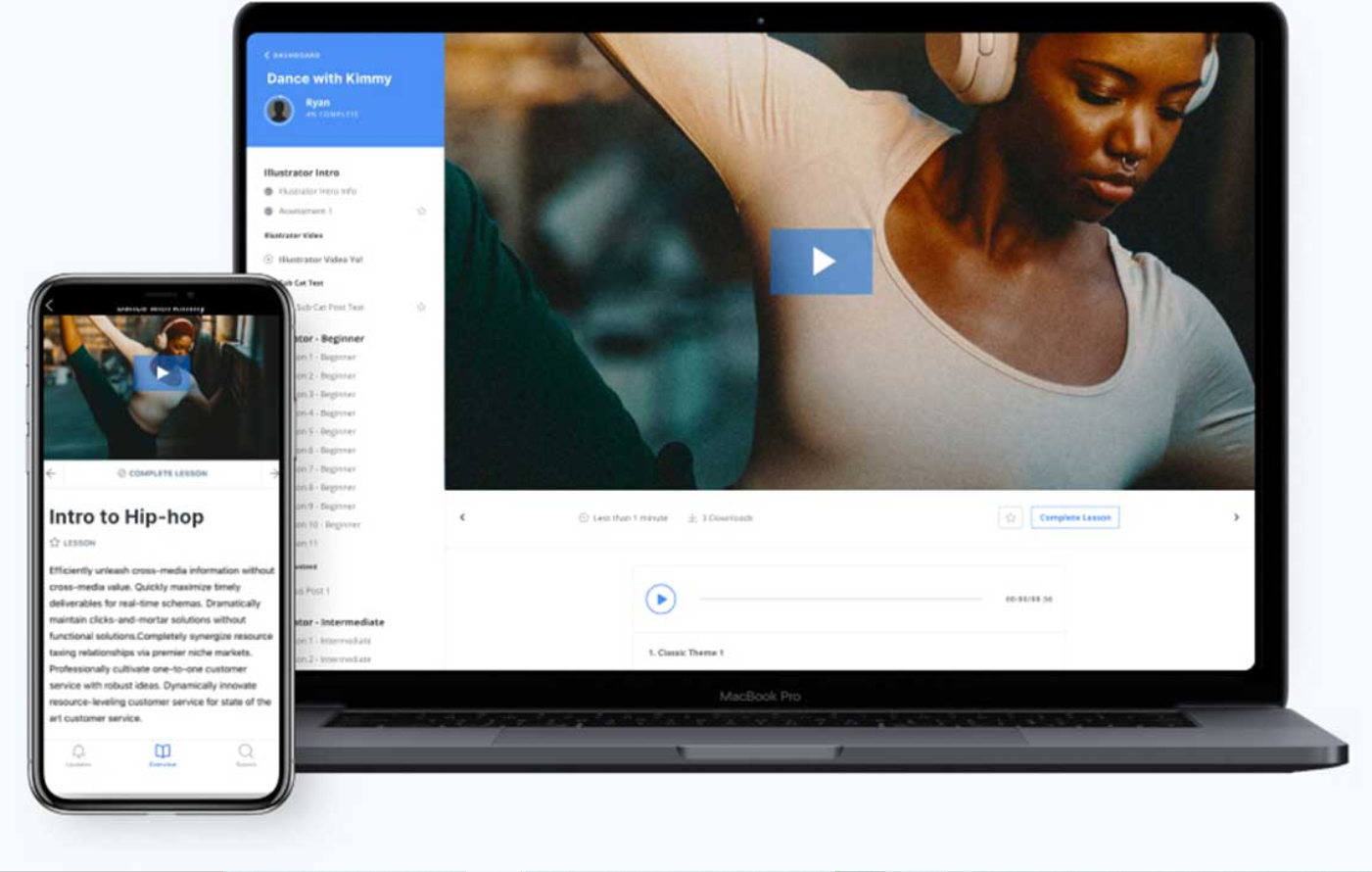
Where Kajabi excels is in the ability to create complex marketing systems. People building courses can create landing pages, marketing funnels, and email sequences to market them. It comes with preset funnels and landing page templates, with different ways to sell and upsell.
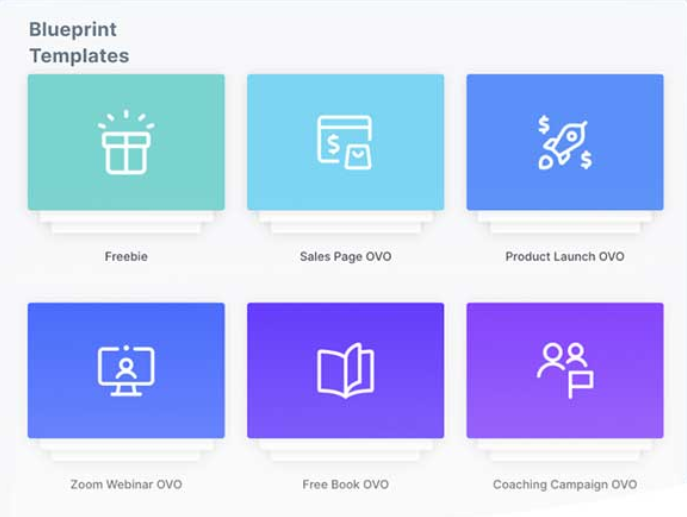
Kajabi is strongest for building a marketing funnel into a prerecorded course. Although they've been adding some features for live courses and community (they acquired a community chat app called Vibely), so far these "Kajabi 2.0" features are quite basic.
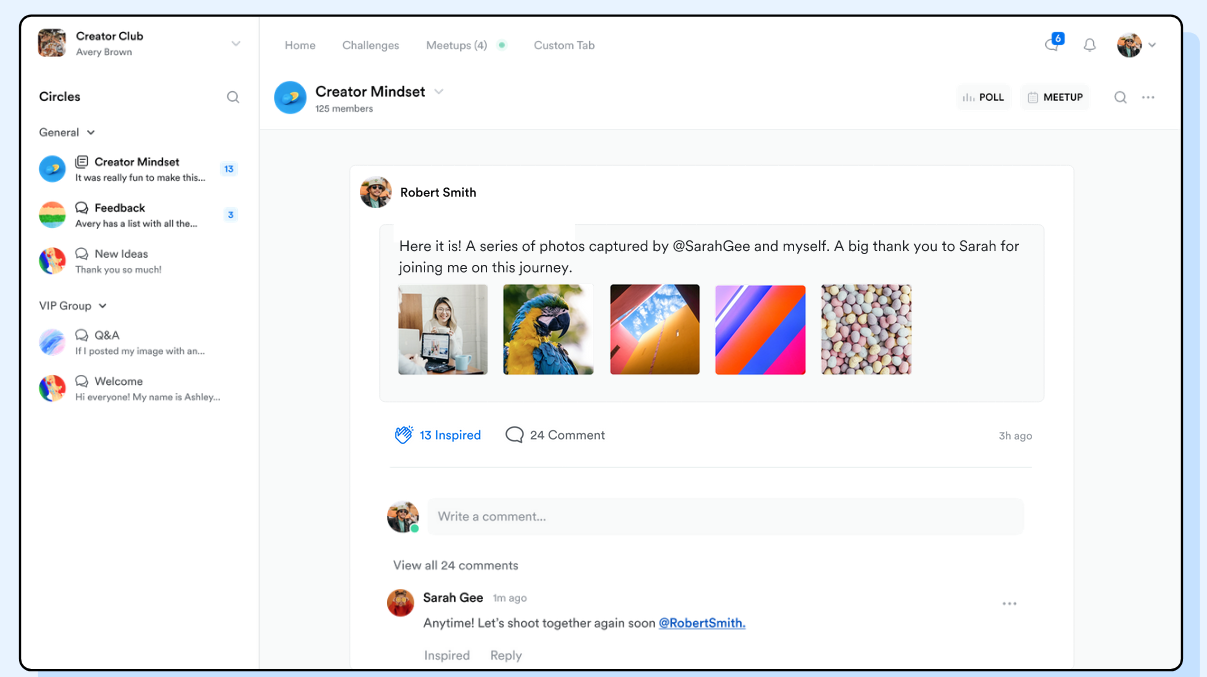
And you need different admin and main apps for a Kajabi business.
Kajabi - Summary
Type: Hosted
Strengths: Offers many features you’d want from hosted online course platforms. It is designed for savvy marketers who value marketing pages and sales funnels that drive sales and conversion to paid online courses. You can also upgrade to a branded app.
Weaknesses: Kajabi's community and live experiences are really basic, missing advanced community engagement tools and features.
Best for: Prerecorded courses with complex marketing integrations.
4. Skillshare
Best marketplace platform for creator exposure
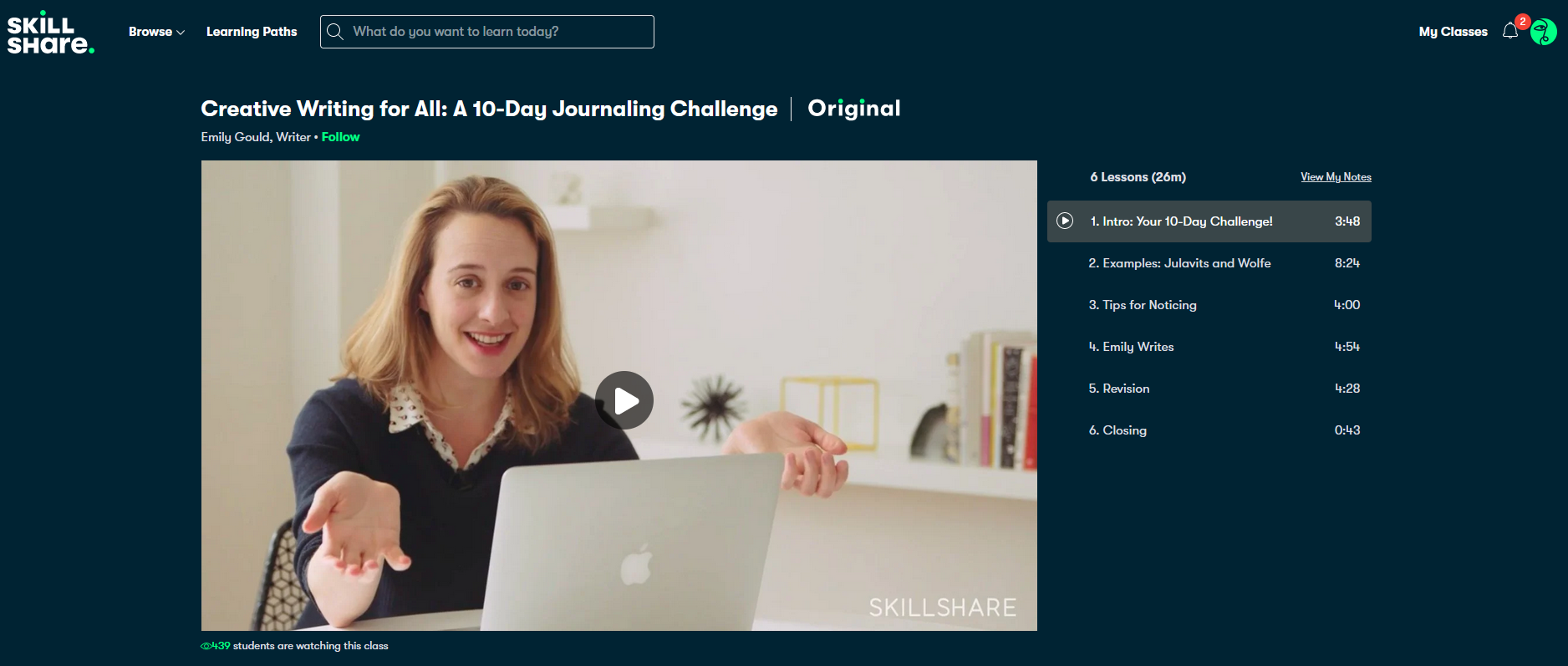
If you’re a creative who wants to host your course on a marketplace platform, Skillshare is where many teachers choose to get exposure and build their brand. It has millions of members actively taking courses, and a search function with people trying to find courses all the time. Skillshare includes a system that lets users rate your course as well as a difficulty-level meter. There are a lot of well-known names teaching on it.
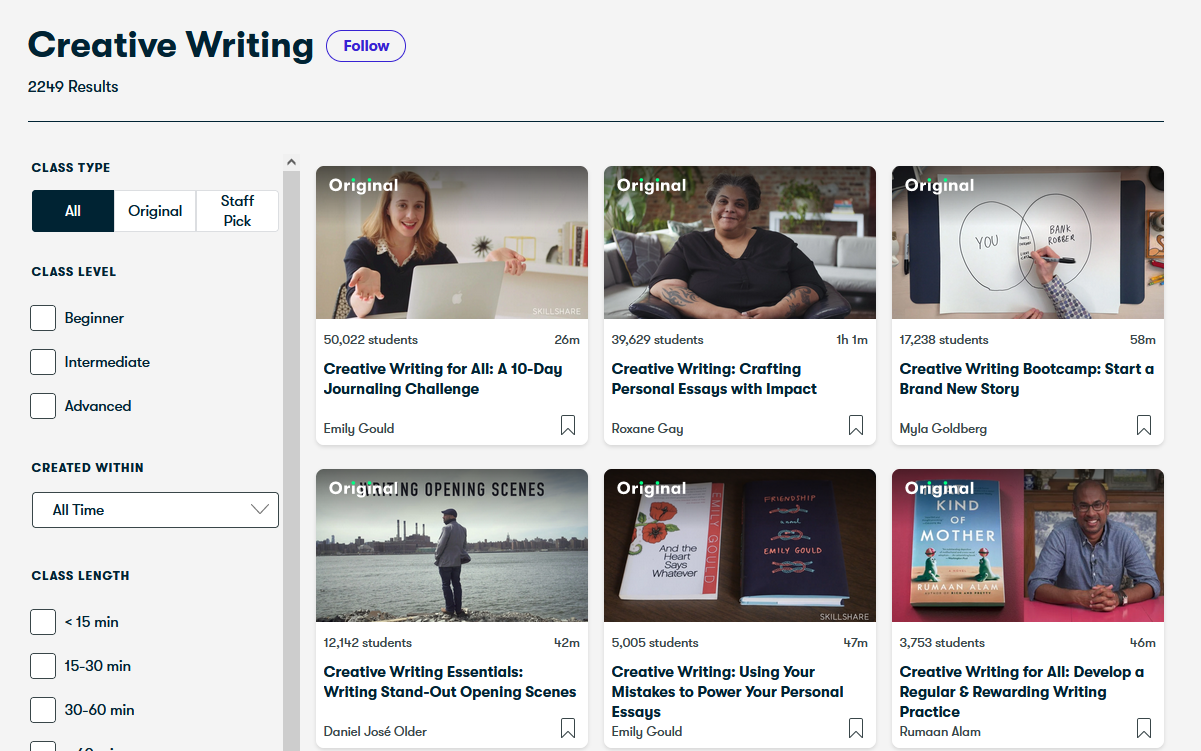
While Skillshare is great value for students, it doesn’t give as much to course creators. Skillshare takes 20% of its revenue each month and divides it among course creators according to how many hours of their course its users watched. Translation: unless you get tons of views, you’re unlikely to make much. Top teachers earn an extra $250/mo and “rising teachers” get $100/mo if they get a positive review.
This means that you need to create a course that stands out in a sea of others, is unique, and that people will watch a lot of if you want to get past a few dollars a month. Most creators don't make much on Skillshare.
Skillshare - Summary
Type: Marketplace
Strengths: Set up with creatives in mind, Skillshare specializes in design, craft, and technical skills. As a result, it supports creative projects and feedback for assessment. Students show their work and can practice and learn from giving and receiving feedback as much as from your instruction alone.
Weaknesses: You can’t earn money until you get 25 students enrolled in a class, and even then, your share is $1-2 per enrollee. You can’t use these enrollees to build your own email list or wider network.
Best for: Those just starting out and who have a creative topic. You can create courses that feature videos taught in short 10-25-minute segments and culminate with a class project. It’s an uncomplicated way to turn your passion into some extra cash on the side.
5. Teachable
Best affiliate program
Teachable is a hosted platform that lets you create your own course. While Teachable isn’t as advanced as others on this list, missing engagement features like livestreaming or community, it does have one great feature: its affiliate program. An affiliate program lets teachers reward people who promote their course with a percentage of the course sale–and that’s what makes Teachable a contender.
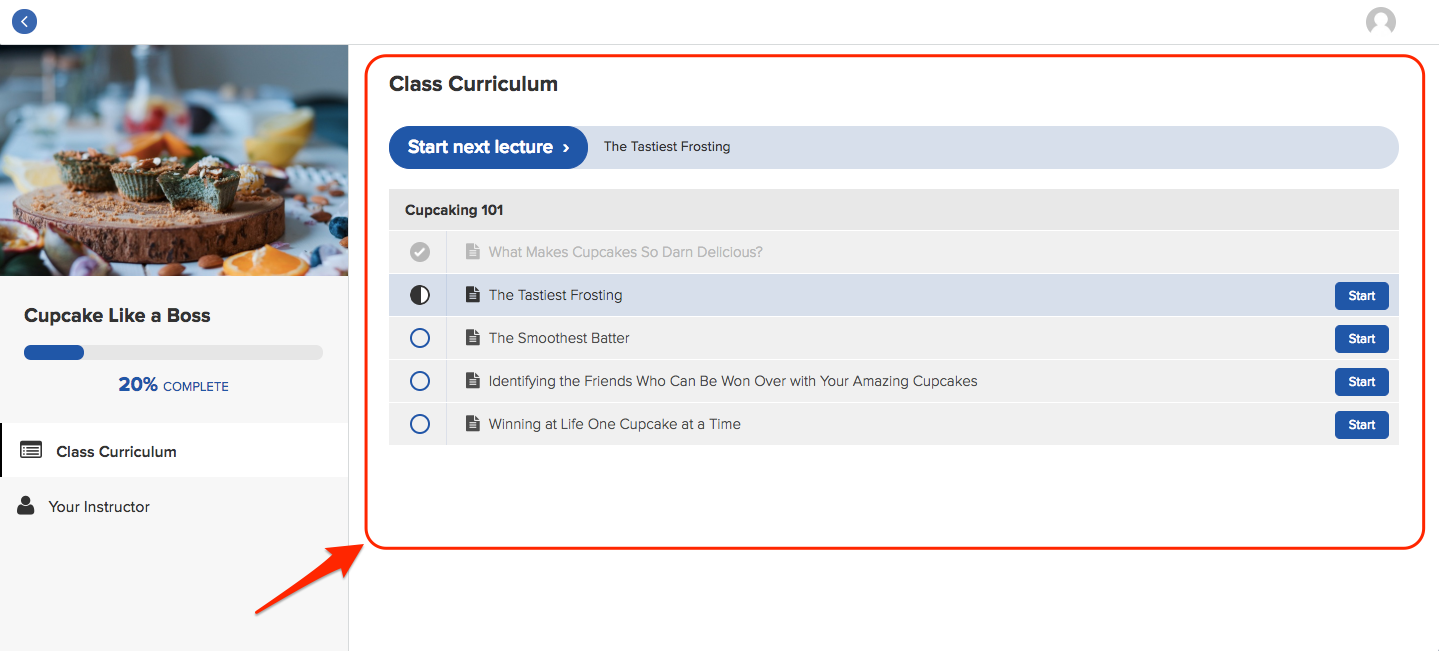
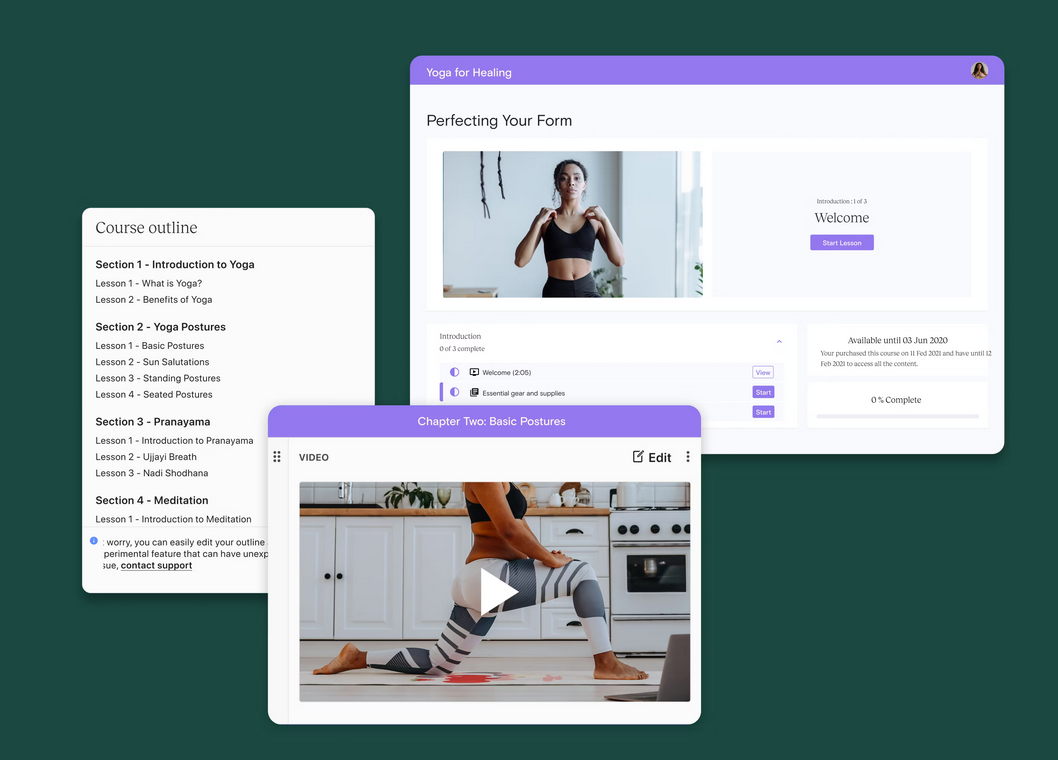
Teachable lets you drag and drop your course pages, giving you customization tools for landing pages and course presentation--plus some presets to choose from. And it has some options for building a course website.
Teachable has iOS and Android apps, but the Android app is still in beta and has struggled with poor reviews (2.4 stars as of writing). If your students are primarily mobile learners on Android, this could be a dealbreaker.
Teachable starts from $29/mo, except on this plan you also pay 7.5% fee on all transactions. To remove transaction fees, you’d need the Builder plan–which is $69/mo
Teachable - Summary
Type: Hosted
Strengths: Teachable is strong on the course design side, allowing you to add multiple content types including videos and quizzes to your course, drip your course content, create certificates, and it also has a very well-designed course player. The affiliate program is also a plus. Teachable has also added a cool AI quiz generator for assessments.
Weaknesses: Poor Android app, no community option, which drives instructors to create a Facebook Group and have to juggle members across both platforms. Plus, it’s hard to customize the look and feel to match your brand.
6. Thinkific
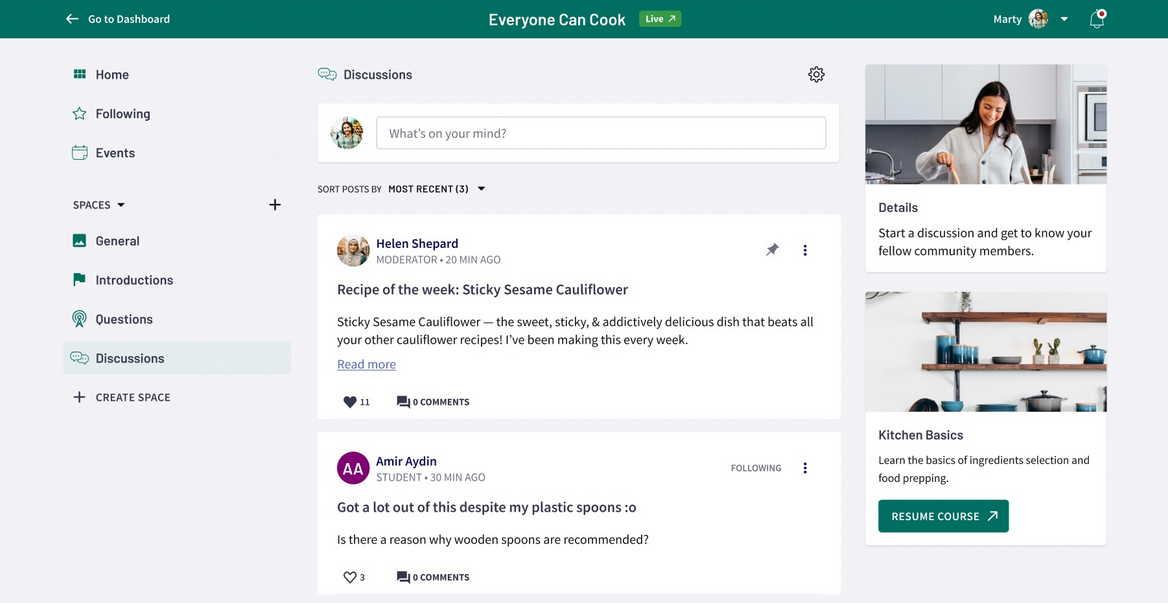
Thinkific is a solid online course platform that gives you good tools for teaching and distributing your course, but also some good features for running a course-based business. With features like customizable landing pages, quizzes and evaluations, drip-able course content, certificates, and even some new features around communities and live teaching, Thinkific's platform offers some good tools.
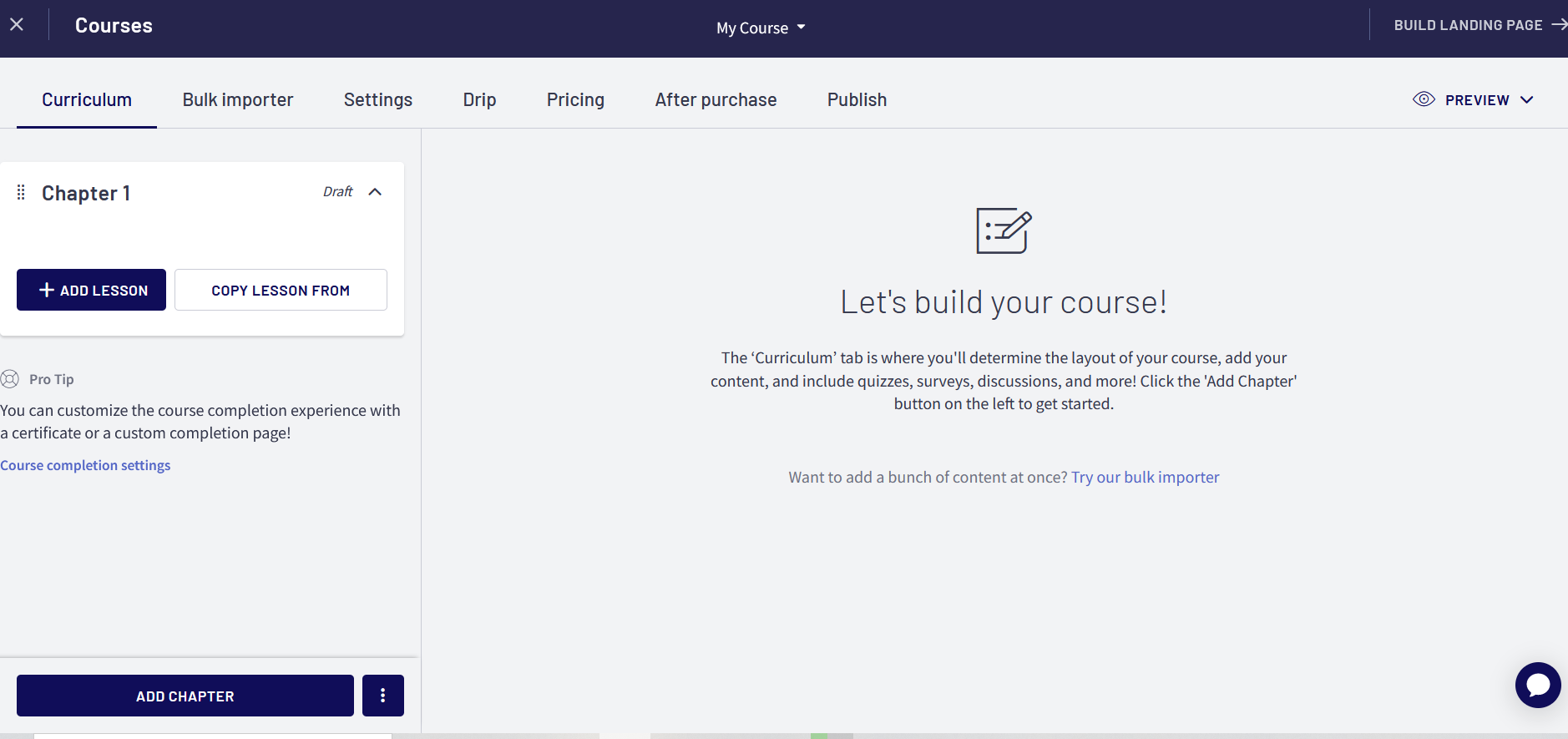
Thinkific offers drag-and-drop page building and a set of marketing tools (including a basic email function).
Thinkific is weakest on two things: its community features and its apps. Community and courses go together like peanut butter and jelly, but the community platform isn't much more than a discussion forum. It's missing the comprehensiveness of other community platforms. This also means it's not as good for live courses, with no native livestream function.
Thinkific's apps are a recent addition, and they've suffered from a lot of complaints about functionality, with many teachers saying they're unusable (They're rated 3.1 stars on the App Store and 1.9 stars!! on Google Play as of writing this).
Thinkific starts from $49/mo for unlimited courses and 1 community. This doesn’t include any other membership features, certificates, or admins, you need to upgrade for these
Type: Hosted
Strengths: A simple website builder with easy-to-create sales pages (no code required!). Allows for advanced quizzes including randomization and question banks with bulk import.
Weaknesses: No community option or native live streaming. And apps that are plagued by problems, glitches, and leave customers complaining.
Best for: Certification-based courses, where prerequisites and quiz assessments are key to the learning path.
7. Maven
Best curated cohort-course marketplace
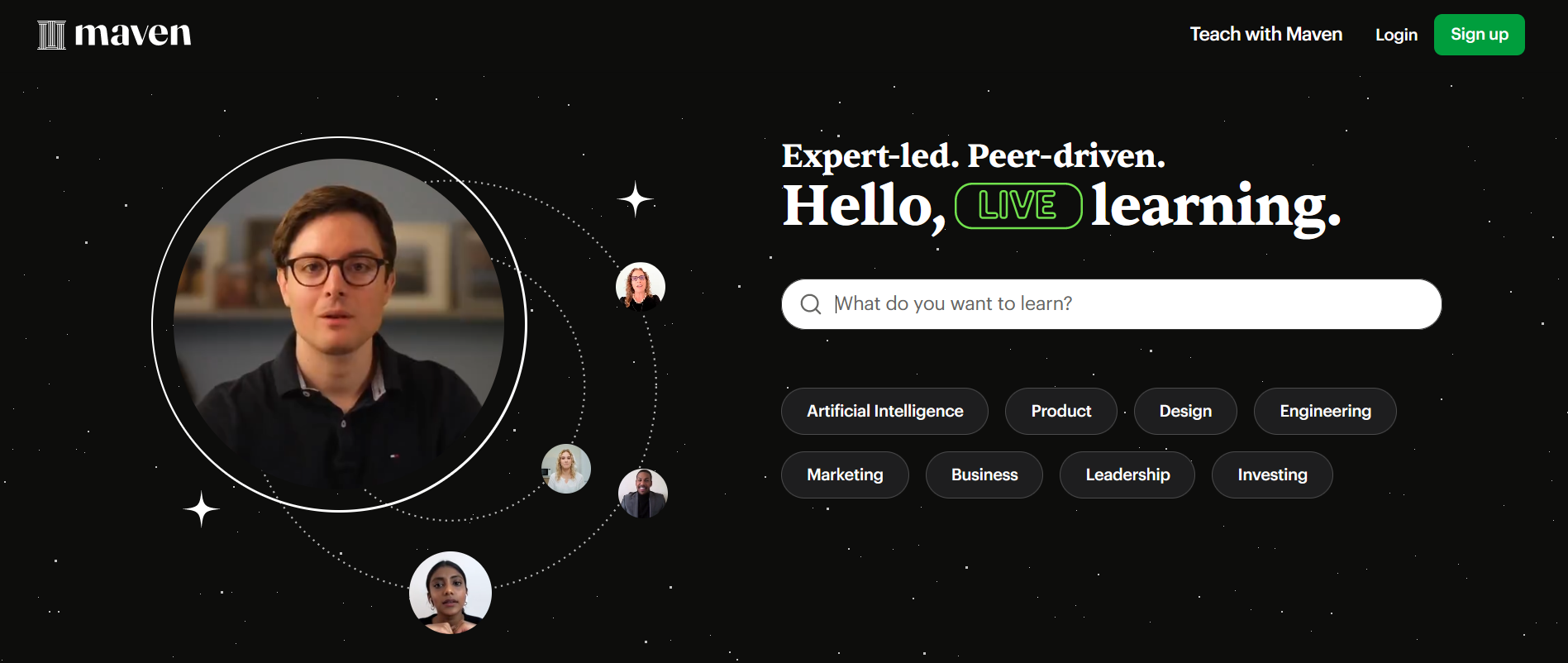
Maven launched in 2020 with a vision to provide high-quality cohort courses from established, vetted teachers. There's a library of upcoming courses for learners to sign up, and each course is sold individually--allowing them to offer a competitive payout to the teachers. Courses list instructors with credentials and a star rating, helping students to choose what they need.
Maven is selective in choosing instructors. But if you get picked, you can draw upon a library of course templates, some training, and a community of course instructors. The platform itself has great discovery as a marketplace, with marketing features, landing pages, and community-building tools. It’s strongest in workplace and career skills. Maven’s instructors set their own prices, which can be lucrative.
The downsides of Maven are typical for a course marketplace. You don't own the relationship with your students, Maven does. And you don't build your brand, you build Maven's.
Type: Marketplace
Strengths: Curated cohort courses that pay well for the teacher, and a lot of good support options for help.
Weaknesses: You need to apply and be accepted. Like other marketplace platforms, you don't own your relationship with the students.
Best for: Cohort courses
8. LearnDash
Best WordPress LMS
We normally think about course platforms as being self-sustaining, but we will include a few WordPress tools in here. Of course, WordPress course platforms have a different set of requirements and need-to-know.
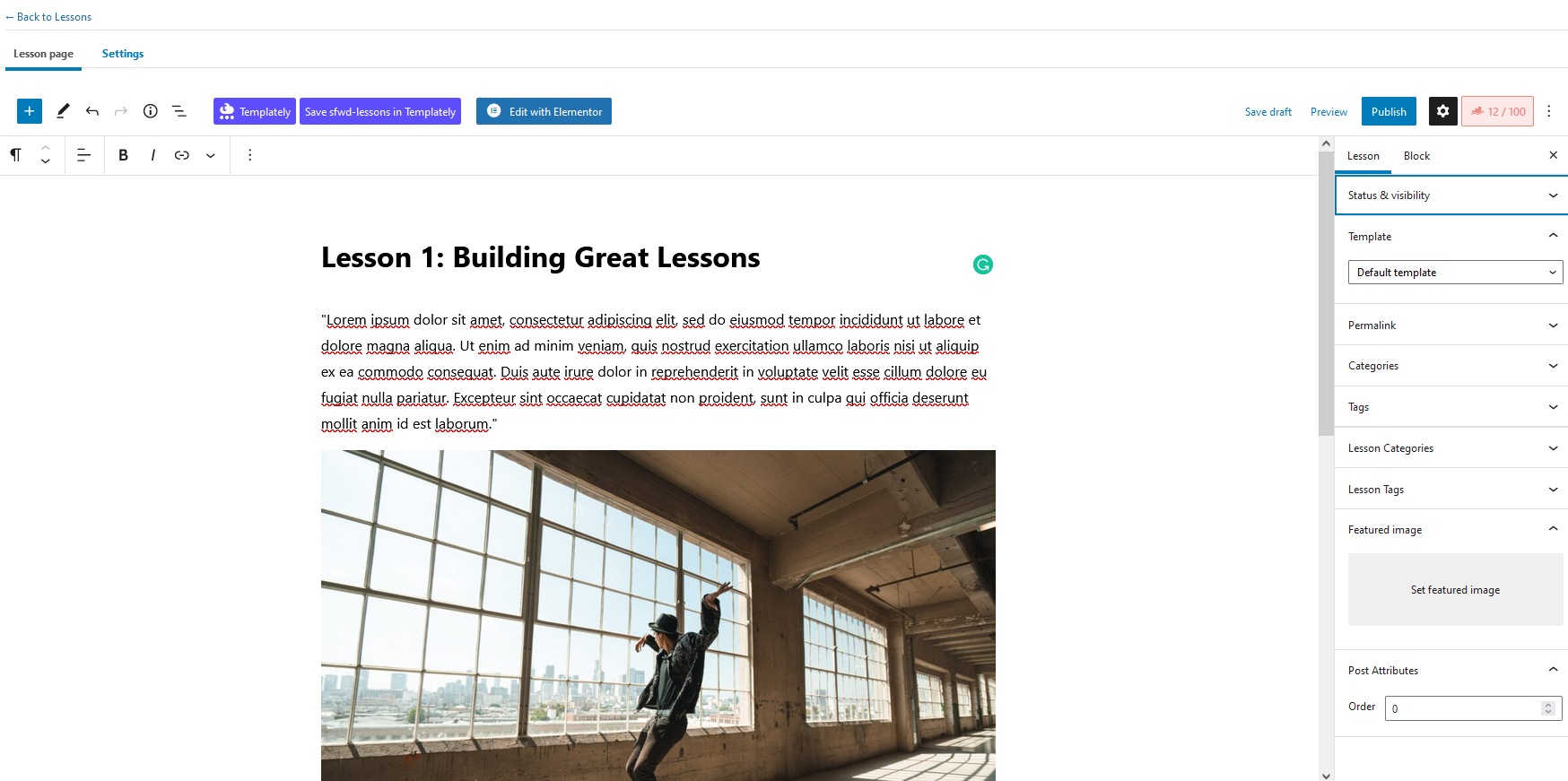
But if you're set on a WordPress plugin for courses, LearnDash is an excellent option. It lets you author your course and gives you some good tools at the back-end. There's a learning curve, but it's comprehensive enough to build a course business.
It now has a drag-and-drop course builder, AI content creation and quizzes, dripping content, multiple payment gateways, and mobile responsive design (although not mobile apps).
Like all WordPress plugins, LearnDash often requires some custom development to get right. Adding in plugins can mess up the look of your site, and it's rare that they'll match the aesthetic you want. If you're building with LearnDash, expect to hire a developer for customization.
At $199/year, LearnDash looks cheap. But add WordPress hosting, premium plugins, and developer time, and it often costs as much as a standalone platform. They also offer StellarSites Learning ($29/month), a fully hosted WordPress option if you want to skip the setup
Type: WordPress course plugin
Strengths: Integration with WordPress and affordability. Improved drag-and-drop building and AI tools.
Weaknesses: Complicated to use and probably requires custom development time to make it look right.
Best for: Pre-recorded courses
9. Podia
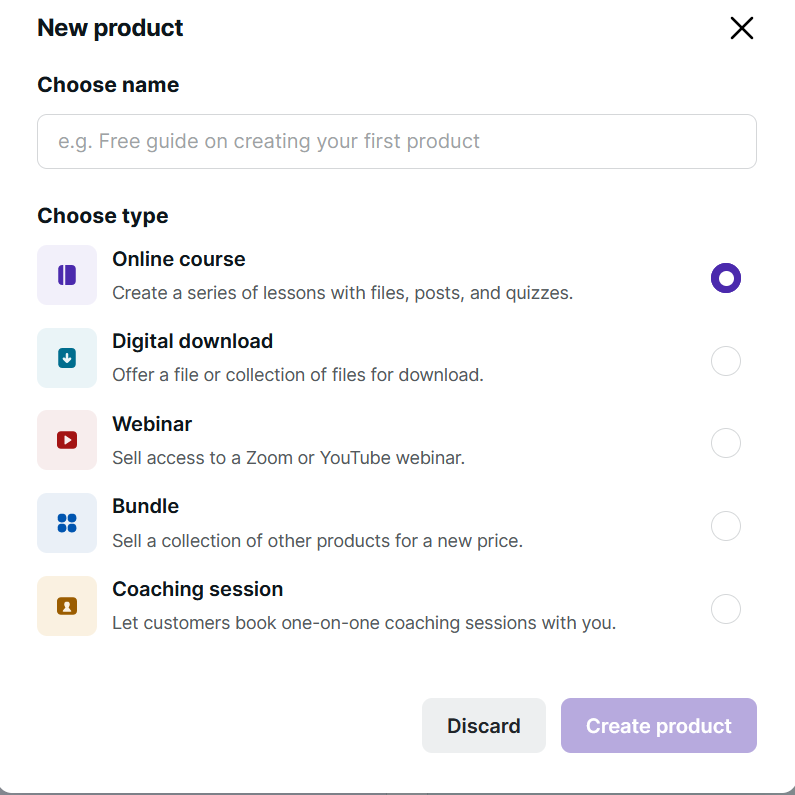
Podia has a focus on websites that integrate with marketing sequences, built-in emails, and other useful tools. With drag-and-drop building and lots of templates, it also has an integrated calendar for booking coaching sessions (if that's your thing).
Podia's course platform has some great tools to choose from: quizzes, drip courses, discussion forums, preselling, upsells, bundles, certificates, video hosting included, as well as cohort or self-paced options. It’s not best in class, but comprehensive enough to give you lots to work with for async courses.
Podia also gives you the option to create different types of digital products, things like webinars, memberships, downloads, or PDFs.
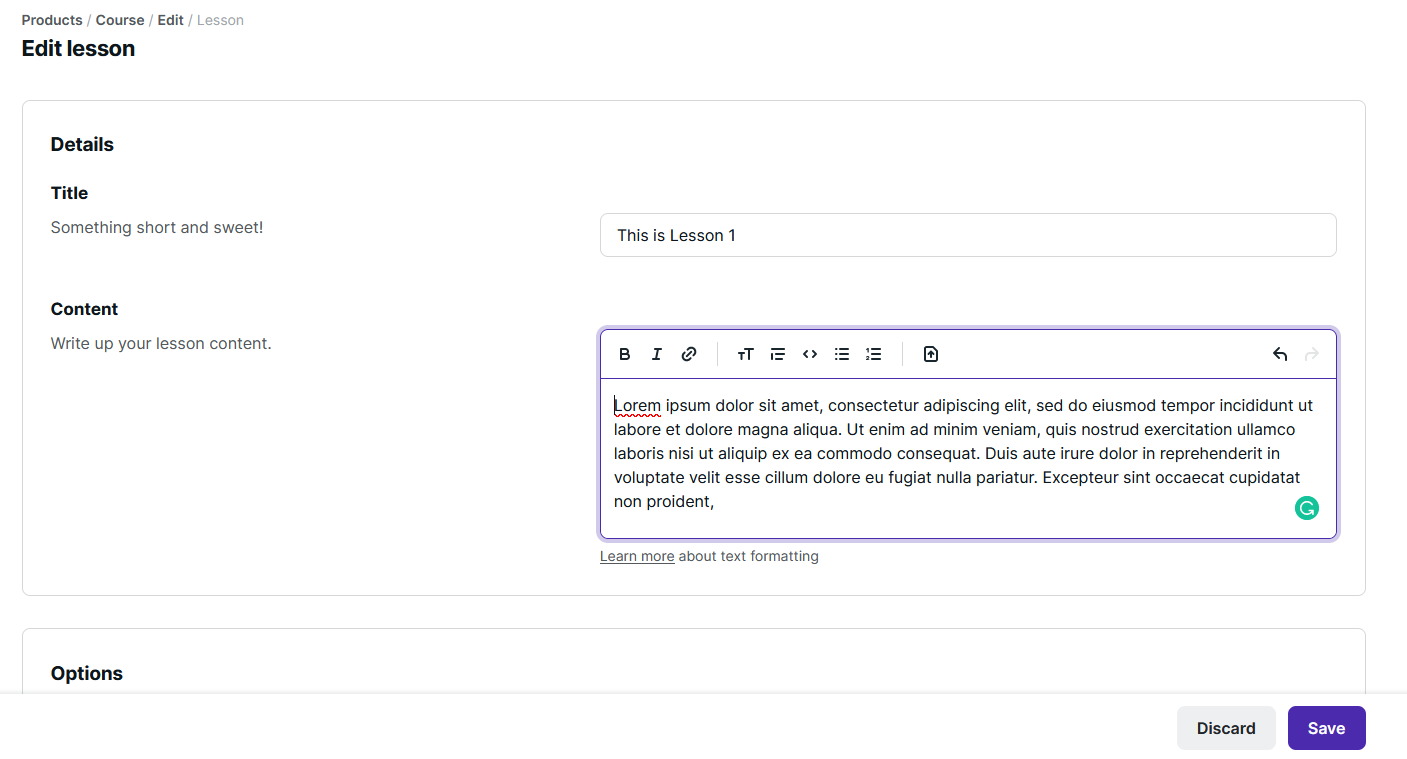
Unfortunately, Podia does not have a mobile app. And its community feature is quite limited, essentially it’s a basic discussion forum.
Podia starts from $39/mo plus a 5% transaction fee.
Type: Hosted
Strengths: Podia is super easy to use, with a clean, modern design out of the box. Podia also gives you the ability to create one-off “posts” for paid content in addition to longer courses.
Weaknesses: The course platform is simple, and the community platform is basic–just a discussion forum. Podia’s focus is on building websites.
Best for: Creators who have course materials of different shapes and sizes who want an elaborate website with it.
Conclusion
You can use an online course platform to create and grow your income. The demand for online learning is only growing, especially from creators whose unique brands and expertise are attracting people like never before.
It's why courses and communities are a key part of the creator economy.
If you're ready to start, come build with Mighty! Our course platform lets you bring courses and community together like nothing else for a vibrant experience your members will love! And you can try it free for 14 days- no credit card required.
Ready to start building your course?
FAQs
1. What is an online course platform?
An online course platform provides the software to create and host an online course. The best platforms give you a wide range of options for course delivery like quizzes and polls, the ability to add communities and live streaming, and ways to market your course.
2. What’s the difference between hosted and marketplace course platforms?
How online course platforms work
There are two business models for online course platforms: hosted and marketplace solutions. Both have pros and cons, depending on what you're looking for.
Hosted solutions for online course platforms
Hosted platforms give you a place to build that’s all your own. No coding is necessary–just show up with your imagination to fill the blank canvas with a great course.
These platforms also come with the infrastructure and tools that let you sell your course from your own website without having to worry about updates, security, hosting, and maintenance.
You can focus on creating your best stuff and not get hung up on the tech.
Advantages of a hosted solution:
Build whatever you want
Keep most of the income you generate
No distractions–your course is the focal point
Disadvantages of a hosted solution:
You need to find ways to acquire students
Marketplace online course platforms
The other popular model for hosting and marketing an online course is a marketplace like Udemy or Skillshare. These marketplaces come with a bevy of potential students looking for things to learn. Members either have to pay a flat membership to access all the courses, or buy them individually. BUT the tradeoff is that the platform takes a cut of your revenue (or ALL of it and pays you out a bit).
With more creators launching online courses with their own social media followings or email lists, the economics of a marketplace may or may not make sense for you.
Advantages of a marketplace solution:
Large body of existing users to sell to
The platform itself has a strong brand
Disadvantages of a marketplace solution:
Tons of competition
Usually you earn less
You don't own your relationships to students, the platform does.
Very limited customization and communication options.
3. Can I use AI to help me build courses or quizzes faster?
Yes, many of the options on this list include AI building features. Often AI is being used to draft course content (sort of like a built-in GPT).
Mighty Networks offers AI course outlines, content improvement, member profiles, member surfacing & auto-introductions, discussion questions, and one-click member-re-engagement. We’re intentionally designing our AI to boost human creativity and connection without replacing it. Read more about how we use AI here!
Not every platform includes AI options. If it’s important to you, check first!
4. Can I move my courses from Teachable, Thinkific, or WordPress without losing videos or progress?
Usually you can migrate courses, but it depends on two things: the platform you’re coming from and the platform you’re moving to.
Does the platform you’re leaving let you export member lists, content, progress, business stats, and so on? This makes it a lot easier to migrate to a new platform.
Does your new platform include bulk uploads, similar content options (e.g. video hosting), and similar admin tools?
Migrating videos and member lists is usually pretty easy. Migrating course progress, complex admin info, or quiz results can be a lot trickier. Check what each platform gives you.
Established brands migrating to Mighty Pro are also eligible for migration assistance. You can learn more here!
5. Do I own my student data, and can I download it anytime?
Different course platforms have different policies, but here’s a rule of thumb.
Course software usually gives you much more freedom and control over member data.
Course marketplaces (e.g. Skillshare) give you much less, since the students belong to the marketplace platform and not you. For example, if you teach on Skillshare’s platform, they pay you a small amount to teach their students.
Always make sure you understand your platform’s data and use policies before you build. You can find Mighty Networks’ data policies here.
6. Can my platform automatically issue branded certificates or badges?
Many platforms do offer this option, but the complexity and flexibility varies. On course platforms, certificates are often auto-generated on completion. Sometimes course platforms use badges to recognize accomplishments.
Here’s what you get on Mighty:
Certificates: You can generate and send certificates via Zapier (instructions here).
Badges: Badges, along with streaks and recognitions are built into Mighty’s gamification, which can be awesome for course completion! You can learn more here.
7. Does my platform support live group courses with Zoom or built-in streaming?
Check your specific platform requirements for how it actually does this. Many platforms do not currently have built-in livestreaming. For example, Teachable and Thinkific do not include native livestreaming, they require either Zoom or third-party links to teach cohort courses.
Mighty Networks offers both. It has built-in native livestreaming with high-velocity chat and multi-speaker view. But it also has a built-in Zoom connection if you prefer that.
8. What learning community management features can I use?
Community features vary wildly across platforms; some have next to nothing, and some have comprehensive community management built in.
Almost no community management: The marketplaces like Skillshare and Udemy have very little in terms of community management. That’s because students are often taking multiple courses, so individual course creators aren’t encouraged to work closely with their students. There will be a few small exceptions, for example, Skillshare’s project feature which allows for some sharing and feedback.
Basic community management: Platforms like Teachable, Thinkific, or Podia contain simple, discussion-forum style communities that can run alongside a course. They are built for simple course discussions, and running commentary on course material.
Full community management: Platforms like Mighty offer multiple discussion Spaces, comprehensive and flexible features, member profiles and discovery, DMs, event and livestream chats, and multiple ways for members to connect and meet.
If community is important to you, ask these questions when evaluating platforms:
Can members message me and each other?
Can I separate communities into multiple Spaces and subgroups?
Can I create lots of different conversations (as opposed to ONE running one)?
Can members build and customize profiles and find each other?
Can I run events and live experiences without a separate tool?
9. What built-in analytics are included, like retention and video drop-off?
Mighty Networks offers Space-by-Space metrics that you can filter by feature, date, time, and engagement type. You can also generate detailed income reports, as well as reports on member activity and engagement data. This can help you identify top contributors and build ambassadors.
Ready to start building your community?
Start a free 14-day trial to explore Mighty—no credit card required.
More like this


Join Mighty Community
Learn the principles of Community Design™ (and see them in action) alongside thousands of creators and entrepreneurs. It's free to join!


Online Courses
Creating a Course
Teaching a Course
Course Platforms
Selling a Course
Communities & Memberships
Community Platforms
Managing a Community
Building a Community
Growing a Community
Monetizing a Community
Creators & Entrepreneurs
Monetization
Content Creation
Starting a Business
Website Builders
Creating & Managing a Website
Events
Event Platforms
Hosting & Marketing Events
Branded Apps
Creating a Mobile App
Coaching Apps
Community Apps
Coaching
Mastermind Groups
Starting a Coaching Business
Coaching Platforms
Filter by Category
Online Courses
Communities & Memberships
Creators & Entrepreneurs
Events
Branded Apps
Coaching
Start your free trial
14 Days. No Credit Card Required.